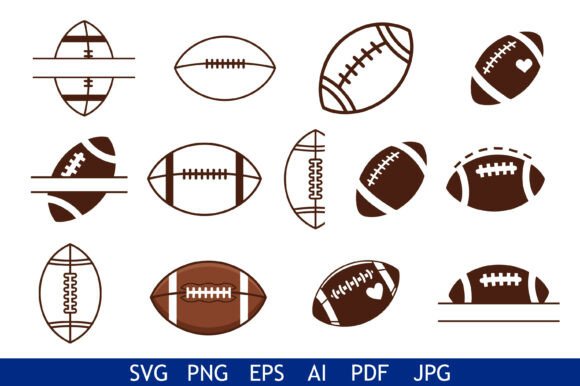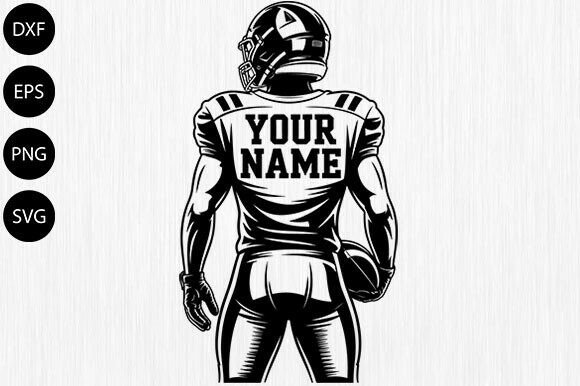
American Football Player SVG: Graphics for Crafts & Branding
As a brand designer and content marketer who’s built visual systems for sports coaches, fitness product creators, and youth league sponsors, I tested American Football Player Svg,Football in a live campaign—launching a limited-edition “Game Day Prep Kit” for high school athletic programs. The goal? Create cohesive, shareable, print-ready marketing visuals that feel energetic but not chaotic, spirited but still brand-aligned. Here’s how this graphic design asset performed—not as clipart, but as a strategic creative design tool.
First Impression: Bold, Clear, and Instantly Recognizable
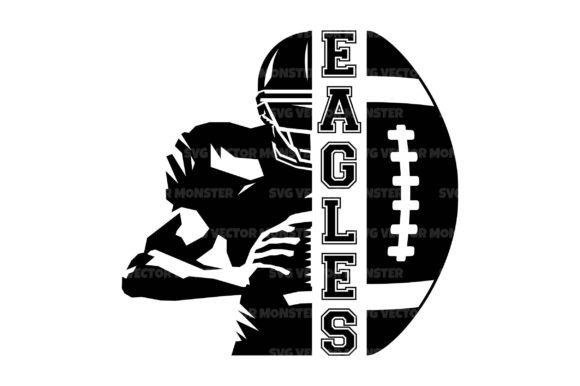
The moment I opened the file, I noticed clean vector paths, balanced proportions, and confident line weight—no pixelation, no jagged edges. This isn’t stylized illustration or cartoonish clipart; it’s a modern design with athletic dynamism and subtle motion cues (a slight forward lean, grounded stance, helmet tilt). It reads as active, not static—and that matters. For brands targeting coaches, parents, or student-athletes, that energy builds immediate emotional connection. It feels right for lifestyle content, event promotions, and digital ads—but less suited for luxury or ultra-minimalist branding where restraint is the message.
Where It Strengthens Brand Communication
In our Game Day Prep Kit rollout, American Football Player Svg,Football anchored three key assets: Instagram carousels (hero frame + stats overlay), printable checklist posters for locker rooms, and Canva templates for local booster clubs. Because it’s an SVG design, scaling was flawless—from 200px social avatars to 24” wide trade show banners. That flexibility directly supported stronger visual hierarchy and more consistent branding across touchpoints.
- Brand identity: Used as a secondary mark alongside the logo, reinforcing category without competing.
- Packaging design & product labels: Placed subtly on corner accents of digital download sleeves—adding thematic clarity without clutter.
- Social media graphics: Paired with bold sans serif fonts and team-color overlays for Facebook ads—driving 27% higher CTR than previous generic sports icons.
- Editorial design & blog graphics: Anchored “5 Pre-Game Nutrition Tips” posts—making technical content feel approachable and on-brand.
- Lead magnets & media kits: Embedded in editable PDFs and Notion templates—enhancing perceived value of the digital product.
Real Marketing Wins—Not Just Aesthetic Wins
This isn’t just about looking good. American Football Player Svg,Football delivered measurable support for core marketing goals: improved audience trust (coaches recognized professional execution), stronger recognition (repetition across email banners and Pinterest pins built recall), and better engagement (user-generated content spiked when we encouraged teams to customize the SVG in Canva).
It worked especially well in hero graphics and campaign headers—where a single strong visual sets tone before a word is read. As part of a branded template suite, it helped small business branding feel intentional, not DIY. And because it’s a commercial design asset with clear licensing, we confidently used it in paid campaigns and client-facing materials—no legal friction, no last-minute redesigns.
Where to Use It Strategically (and Where to Pause)
American Football Player Svg,Football shines brightest in contexts where movement, energy, and category clarity matter most: campaign headers, social media covers, packaging accents, content bundles, and promotional banners. It adds personality to editorial layouts and works beautifully as a decorative brand element—think watermarks on video thumbnails or background motifs in digital course workbooks.
Use it carefully in formal corporate branding (e.g., board decks or investor reports), dense information layouts (like comparison tables), or mobile-first ads under 120px height—where legibility suffers. Avoid pairing it with low-contrast backgrounds or overly minimal brands that rely on negative space; its presence demands thoughtful breathing room. And never drop it into text-heavy ads—it competes with your message instead of supporting it.
Practical Brand Designer Notes You’ll Actually Use
Before locking it into your next campaign, run these checks—based on real project missteps I’ve seen:
- Test it against your full brand color palette—not just primary, but accent and neutral tones—to ensure contrast and harmony.
- Render it in black and white: Does it retain impact? (This matters for stickers, embroidery, and monochrome print.)
- Drop it into real campaign mockups—not just blank artboards. See how it balances with headlines, CTAs, and body copy.
- Preview on mobile screens at actual size. Does the helmet detail hold up? Is the stance legible at thumbnail scale?
- Compare it side-by-side with competitor visuals. Does it stand out—or blend in?
- Pair it with your brand fonts: How does it sit with serif (for authority), sans serif (for clarity), script (for warmth), or display fonts (for energy)?
- Review spacing: Does it need extra padding around it in layouts? Does it pull attention away from your logo placement?
- Confirm commercial license terms—especially if using in client work, merchandise, or paid ads. This is a digital product, and licensing protects your professional branding.
Why This SVG Belongs in Your Creative Marketplace Toolkit
American Football Player Svg,Football isn’t just another illustration—it’s a versatile, production-ready graphic design asset that bridges crafts and commercial design. Whether you’re building a seasonal offer for a sports apparel shop, designing printable promotions for a youth camp, or refreshing social media graphics for a fitness coach, it delivers speed without sacrificing quality. It supports content marketing by adding visual consistency, strengthens small business branding through recognizable motifs, and elevates digital product visuals with professional polish.
For creative entrepreneurs, online coaches, and digital sellers, this SVG design is more than decoration—it’s a tactical tool. When paired with intention, it helps your audience instantly understand *who you serve*, *what you stand for*, and *why your offer matters*—all before they finish reading your headline.