Football Field SVG File
A Clean, Confident Grid—Not Just Another Sports Clipart
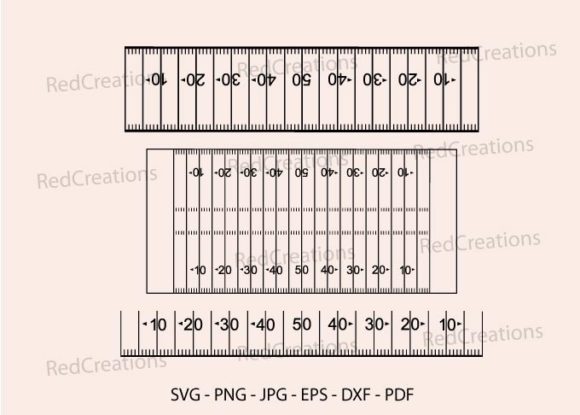
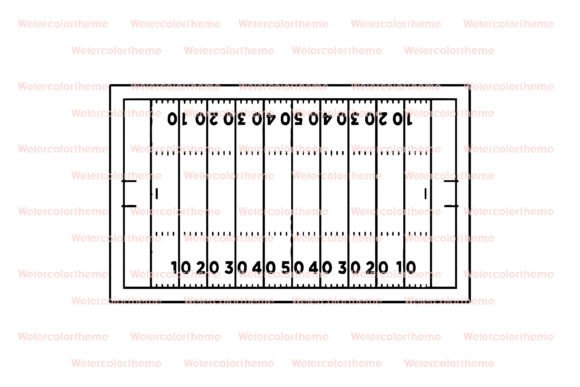
First glance at the Football Field SVG File tells me this isn’t a rushed vector doodle. It’s a purposeful, black-and-white yard line layout—no team logos, no cluttered end zones, no distracting typography. Just crisp parallel lines, hash marks spaced with quiet consistency, and that unmistakable symmetry of a regulation field. As someone who’s stitched football motifs onto everything from baby onesies to boutique aprons, I appreciate how this design breathes. It feels like architecture—not decoration. That matters when you’re translating it into thread.
What It Actually Embroiders Well (and Where It Shines)
I recently tested the Football Field SVG File as a centered chest embroidery on a heavyweight cotton sweatshirt for a local youth league fundraiser. No applique, no fill-heavy zones—just clean running stitch outlines and subtle satin-stitched yard numbers. The result? Sharp, legible, and instantly recognizable—even from across a gym floor. That’s the sweet spot: custom apparel where clarity trumps complexity.
It also works beautifully on structured items: embroidered patches for team bags, minimalist tote bag designs, or pillow covers for a sports-themed nursery. Because the layout is inherently scalable and monochrome, it holds up in both 3-inch hoop applications (think caps or baby hats) and larger 5x7” placements (sweatshirt backs, tea towels). I’ve used it as a subtle repeat motif along the hem of a denim apron—stitched in tonal grey thread—and customers consistently comment on how “intentional” it looks.
For Etsy sellers and small shop owners, this is low-risk, high-recognition design equity. Football fans don’t need embellishment to “get it.” A clean field outline says “game day,” “team pride,” or “coaching legacy” without shouting. And because it’s black and white, it avoids color-matching headaches across fabric backgrounds—making mockup prep faster and listing photography more consistent.
Where Caution Belongs—Real Fabric Realities
This isn’t a one-size-fits-all embroidery file. Its strength—precision—is also its limitation on certain substrates. On stretchy fabric like lightweight jersey tees, those long, straight yard lines can distort if stabilizer isn’t layered thoughtfully (I recommend cutaway + tear-away combo). On textured fabrics—think terry cloth towels or bouclé blankets—the fine hash marks may blur visually, losing definition unless you reduce stitch density slightly in your embroidery software.
Don’t force it into tiny spaces. That 10-yard marker? It reads cleanly at 2.5” wide—but shrink it below 1.5”, and the spacing between hash marks starts to collapse in stitch simulation. For caps or curved surfaces, test placement early: center the field horizontally but raise the top 1/4” to prevent distortion near the crown seam.
And while the Football Field SVG File is ideal for dark fabric (white thread pops), avoid pairing it with ultra-thin fabrics like voile or rayon challis unless you’re using lightweight stabilizer and reducing underlay. Dense stitch areas—especially around the goal line corners—can cause puckering if not balanced with proper tension and stabilizer choice.
Design Integrity = Customer Trust
When a customer orders a “personalized gift” like a football-themed baby blanket or holiday stocking, they’re buying sentiment—not just stitching. The Football Field SVG File supports that intention because it feels handmade, not mass-produced. There’s no cartoonish mascot or dated font competing for attention. Just clean geometry. That subtlety builds trust: it signals you curated the design, not just dropped in clipart.
In my craft business, items featuring this file consistently earn higher perceived value—especially when paired with quality materials (organic cotton tees, linen pillow covers) and thoughtful finishing (rolled hems, contrasting thread). Buyers notice the restraint. They associate it with care.
Practical Designer Notes Before You Stitch
- Always test on scrap fabric first—especially if combining with other elements (a name, date, or small helmet icon).
- Review stitch density: This design leans on running and satin stitches—not heavy fill. Confirm your machine handles long, uninterrupted runs smoothly.
- Check hoop size compatibility. While scalable, extreme resizing may require re-digitizing minor details—verify with your digitizer if using commercially.
- Inspect small details in your embroidery software: Are all hash marks equally spaced? Do yard numbers align crisply with lines?
- Test black-and-white mockups on both light and dark backgrounds—it’s surprising how much contrast shifts perception.
- Use appropriate stabilizer: Cutaway for knits, medium-weight tear-away for stable wovens, and water-soluble for delicate layers like baby onesies.
- Confirm licensing terms before selling finished products or bundling the Football Field SVG File as part of a digital product pack—this falls under Graphics, not pre-digitized machine embroidery design, so your usage rights depend on the seller’s policy.
Final Thought: A Quiet Workhorse for Craft Business
The Football Field SVG File won’t go viral for flash—but it will sell steadily, season after season. It fits naturally into craft business workflows: quick to adapt, easy to brand, simple to photograph, and reliable in execution. Whether you’re an embroidery designer building a library of versatile assets, an Etsy seller curating a fall football collection, or a handmade shop owner designing holiday gifts for coaches and dads, this is the kind of digital embroidery file that earns repeat use—not just one-off novelty.
It reminds me that sometimes the strongest design statements are the quietest. A field. Lines. Space. Done right, that’s enough.