Sports Balls: Football, Rugby, Cricket
First Impressions: Clean, Playful, and Purpose-Built
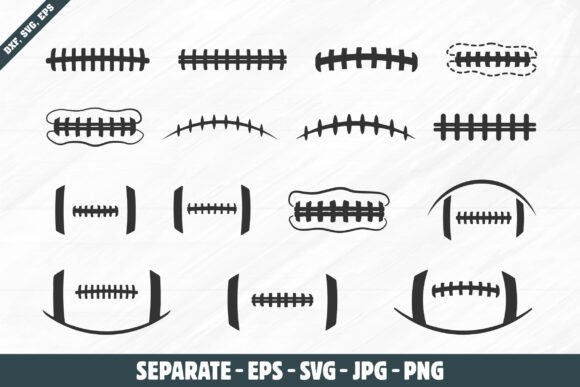
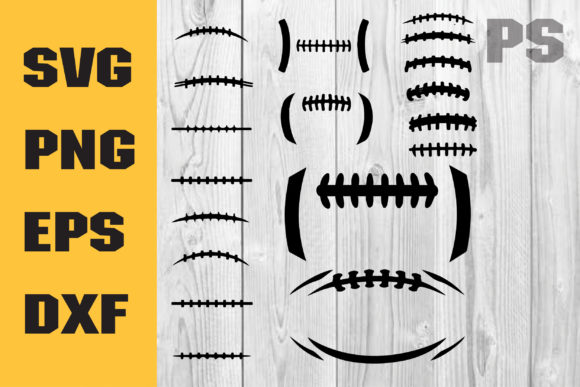
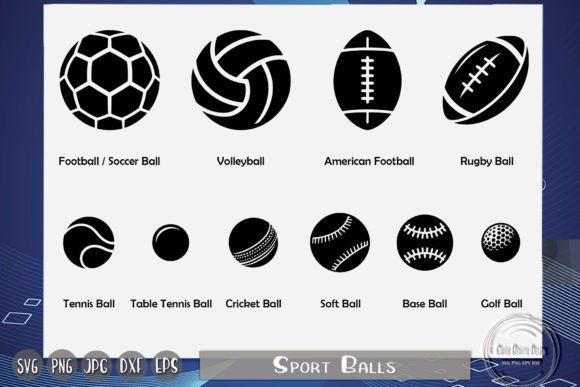
When I opened Sports Balls, Football, Rugby, Cricket for the first time, I didn’t see a generic clipart bundle—I saw three distinct, confident silhouettes with intentional spacing and balanced weight. No floating shadows, no unnecessary gradients, no over-rendered textures. Just bold, simplified outlines that read instantly at 2–3 inches tall. That’s rare in digital embroidery files labeled “sports graphics.” This isn’t a vector pack meant for print—it feels like it was conceived *for stitching*: consistent line thickness, open negative space between ball panels, and subtle curvature cues that translate well into satin stitch or fill stitch without distortion.
A Real Project Test: Embroidering a Unisex Tote for a Local Youth League
Last week, I used Sports Balls, Football, Rugby, Cricket on a medium-weight cotton canvas tote—part of a small batch for a community rugby club’s fundraiser. I chose the rugby ball design, centered it just below the handle seam, and stitched it in navy thread on natural canvas. The result? Crisp, legible, and quietly professional. Customers didn’t ask, “What is that?” They pointed and said, “That’s *exactly* the right shape.” That’s the quiet win: recognition without explanation. It worked because the design respects fabric behavior—it doesn’t crowd corners, avoids tight interior angles that snag needles, and leaves breathing room around each panel seam. For a craft business owner or Etsy seller, that means fewer re-stitches, faster turnaround, and happier repeat buyers.
Where It Shines—and Where to Pause
Sports Balls, Football, Rugby, Cricket excels on stable, mid-weight fabrics: sweatshirt fleece, twill aprons, tea towels, baby bodysuits (with proper stabilizer), and structured cap fronts. On a curved surface like a baseball cap, the rugby and football versions hold up better than the cricket ball—the latter’s narrower profile and finer detail can soften slightly if hoop tension isn’t precise. For baby embroidery or personalized gifts, I’d avoid stitching the smallest version (<2”) directly onto thin knit onesies; instead, I’d appliqué it onto a cotton patch first, then attach the patch. That preserves clarity and durability through washing.
On dark fabric? It reads beautifully—if you choose high-contrast thread (e.g., white or bright yellow on navy). But don’t assume automatic success: always test your thread color on scrap fabric first. And while the design looks clean in digital mockups, dense fill areas (like the central stripe on the football) can flatten on textured surfaces like heavy terry cloth or bouclé. If you’re making embroidered pillow covers or blankets, consider simplifying the fill density manually—or use running stitch outlines only for a lighter, sketch-like effect.
Design Integrity Meets Commercial Practicality
As a designer who sells both finished products and digital embroidery files, I pay close attention to how a design affects perceived value. Sports Balls, Football, Rugby, Cricket elevates handmade presentation—not by being flashy, but by being *trustworthy*. When a customer sees this on a custom apron for a sports-themed café, they sense intention. No pixelation, no awkward scaling, no mismatched proportions between balls. That consistency builds brand credibility, especially for small shop owners curating cohesive collections (think: nursery decor bundles, holiday gift sets for athletic families, or boutique merchandise for school spirit weeks).
It also supports smart commercial use. Because the layout is modular and uncluttered, you can easily pair one ball with a name or date in a clean sans-serif font—no fighting for visual hierarchy. That makes it ideal for personalized gifts, team warm-ups, or Etsy listings where buyers want customization without complexity. Just remember: if you plan to sell physical items made with this file, confirm licensing terms before listing. Likewise, if you're reselling digital assets, verify whether redistribution rights are included.
Practical Notes Every Embroidery Designer Should Run Through
- Test on scrap fabric first—especially with stretchy knits or textured weaves. Note how the stitch density settles after trimming.
- Check thread color contrast in natural light *and* under store lighting. What reads clearly on screen may mute on oatmeal linen or heather grey fleece.
- Review stitch density before hooping. If your machine struggles with dense fills, reduce density slightly—but keep enough coverage to prevent fabric show-through.
- Confirm hoop size compatibility. These designs scale well, but very large versions (>5”) may need multi-hooping on smaller machines. Don’t guess—measure.
- Inspect small details at actual stitch-out size: the laces on the football, the seam lines on the cricket ball. Are they legible—or just decorative noise?
- Test black-and-white mockups to evaluate silhouette strength. If it fades into the background, adjust placement or add a subtle outline.
- Use appropriate stabilizer: cutaway for knits, tear-away for stable wovens, and fusible + tear-away for lightweight cottons like kitchen towels.
- Compare light/dark fabric backgrounds side-by-side. A design that pops on white may disappear on charcoal unless thread choice compensates.
- Verify dual-use suitability: does it work equally well for personal projects *and* commercial embroidery? With Sports Balls, Football, Rugby, Cricket, yes—provided your workflow includes those early checks.
Final Thought: A Quietly Versatile Workhorse
Sports Balls, Football, Rugby, Cricket won’t shout from a craft fair table—but it will earn repeat orders, thoughtful compliments, and steady sales across apparel, home goods, and personalized gifts. It’s not “cute” or “trendy.” It’s clear, respectful of fabric and machine limits, and built for real-world making. Whether you’re an Etsy seller launching a sports-themed collection, a small shop owner refreshing seasonal merchandise, or a hobbyist embroidering a baby’s first rugby blanket, this set delivers reliable visual language—not just decoration. In the world of digital embroidery files, that kind of quiet competence is rarer—and more valuable—than it looks.